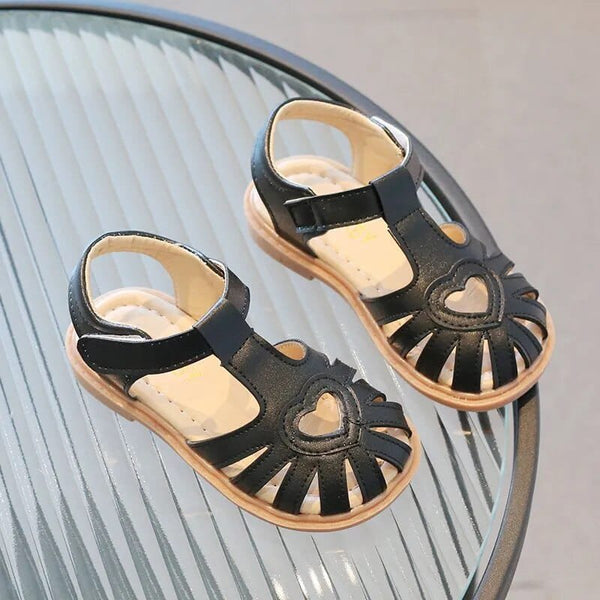
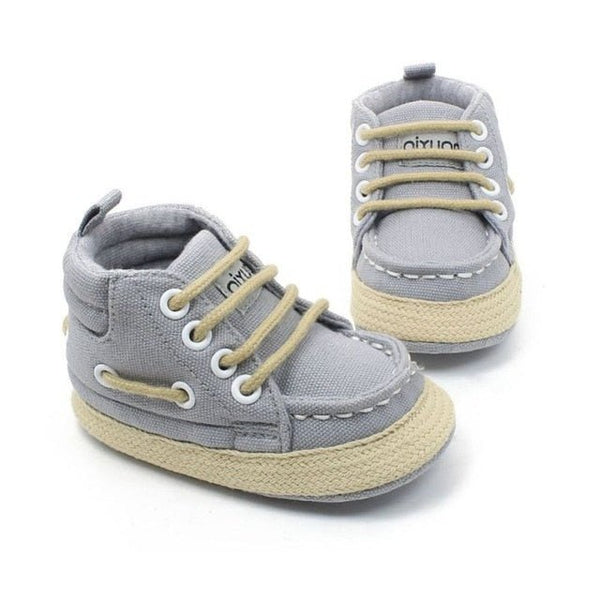
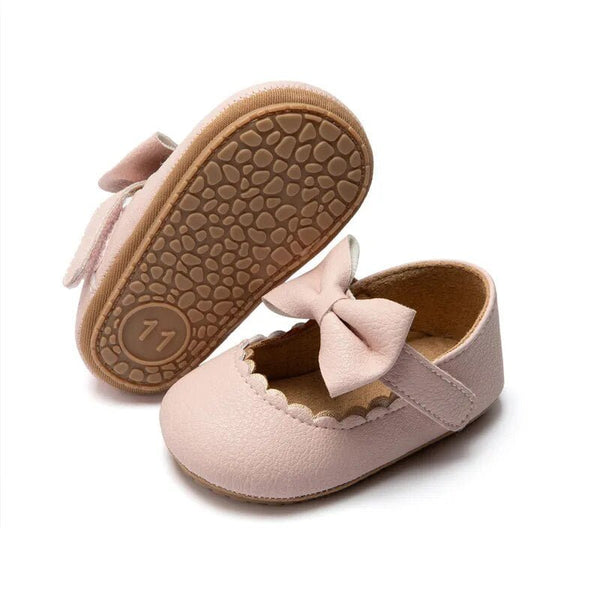
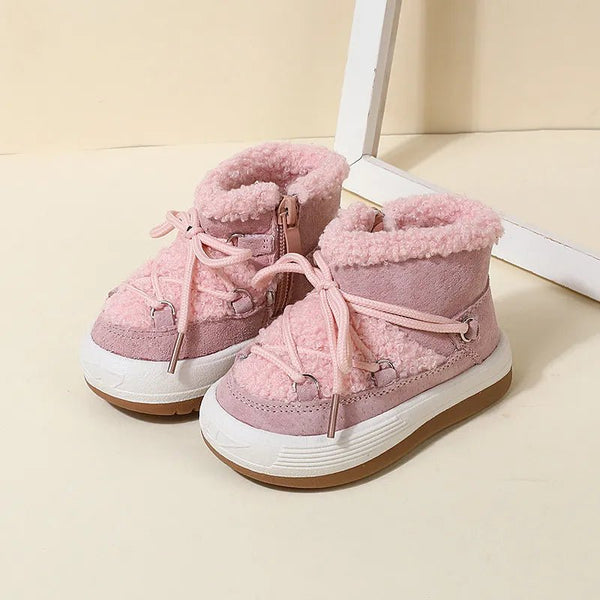
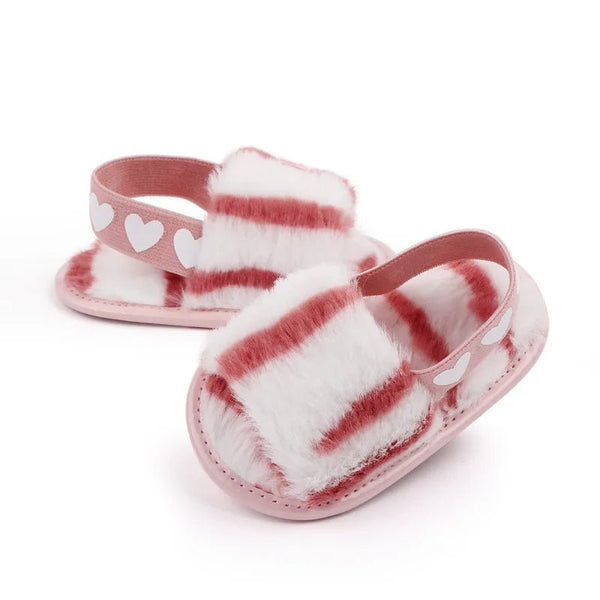
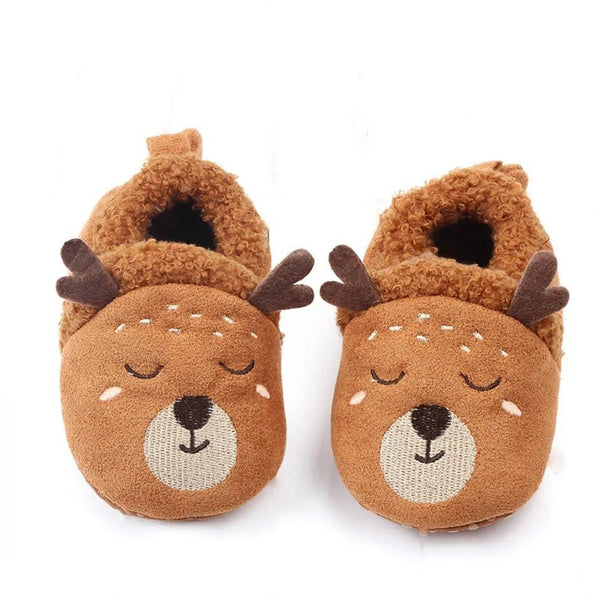
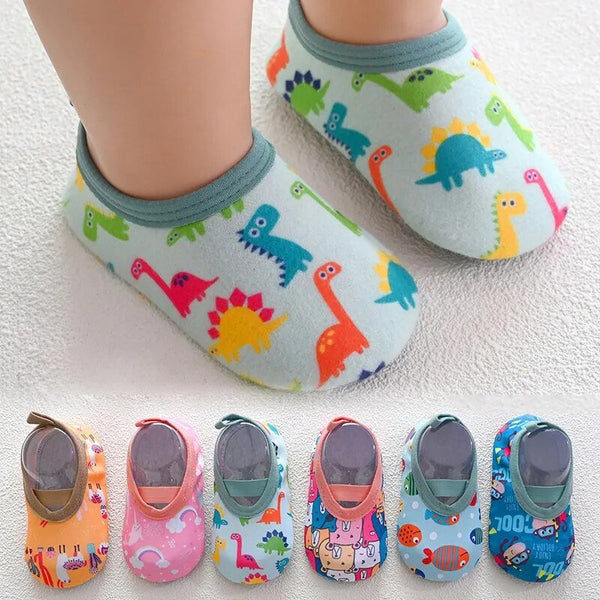
Suelas blandas para pies en desarrollo. Nuestra colección de calzado abarca desde los zapatos tipo calcetín elásticos y los botines preandadores hasta las botas y sandalias de temporada, diseñados para flexionarse de forma natural en lugar de restringir el crecimiento del pie del bebé.
Not really — many pediatric guidelines favor barefoot or soft-soled footwear indoors, since it helps babies feel the ground and build foot muscles and balance. Shoes in this collection are mainly useful for outdoor protection, temperature, or style rather than being required for indoor development.
What's the difference between a sock shoe and a regular soft-sole shoe?
A sock shoe combines a stretchy fabric upper (like a sock) with a thin non-slip sole, making it easy to pull on and off quickly. A soft-sole shoe has a more structured upper, closer to a traditional shoe shape, but still uses a flexible sole that bends with the foot.
How do I know what shoe size to order for a baby who's still growing?
Check the specific size chart on each product page, since sizing (often listed by age range or insole length in centimeters) can vary between styles. Because babies' feet grow quickly, it's often worth sizing up slightly if your baby is between sizes.
Are the winter boots warm enough for cold climates?
Our plush-lined and faux fur winter boots are designed for cold-weather comfort during short outdoor stretches like a walk to the car, but they're not rated as heavy-duty snow gear for extended time in extreme cold. Check the specific product page for lining and material details.
Are non-slip socks a substitute for shoes indoors?
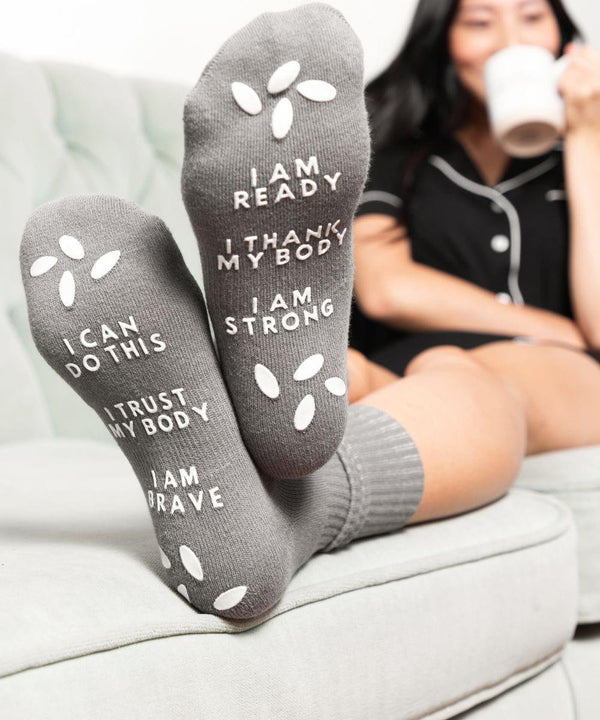
Yes — grip-sole cotton socks offer traction on smooth indoor flooring while still letting a baby's foot move and flex naturally, which many parents prefer over shoes for indoor walking practice.
Tu carrito
(0)
Tu carrito está vacío.
¿Vaciar su carrito?
Esto elimina todos los artículos de tu carrito. No se puede deshacer.
Al seleccionar una opción, se actualiza la página completa.