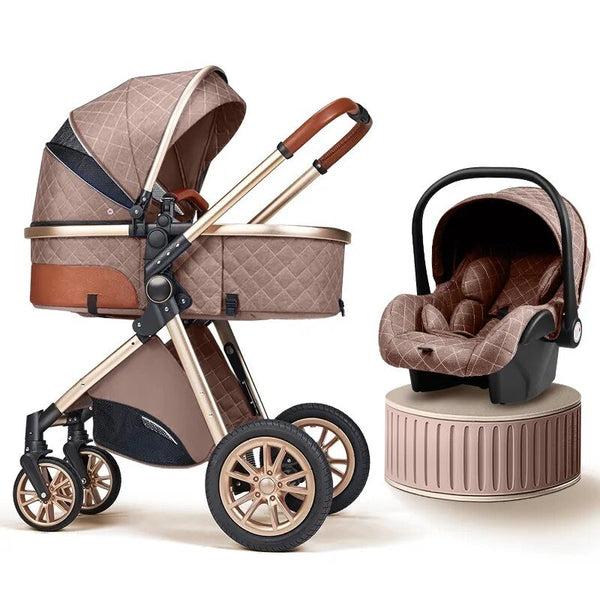
Portabebés/cochecitos

Los portabebés y los cochecitos resuelven problemas diferentes. Esta colección incluye portabebés ergonómicos y con asiento de cadera para días con las manos libres, además de los protectores de lluvia, sacos y accesorios de confort que permiten que tu cochecito funcione en cualquier estación.

25 productos

Carrier/Strollers

25 productos

Agotado−21%
−33%
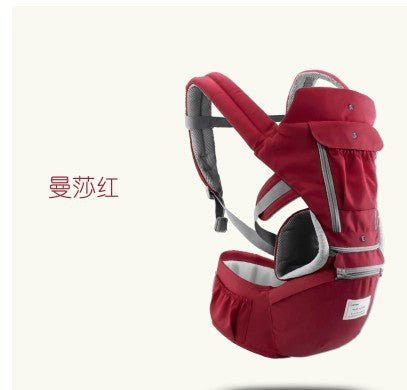
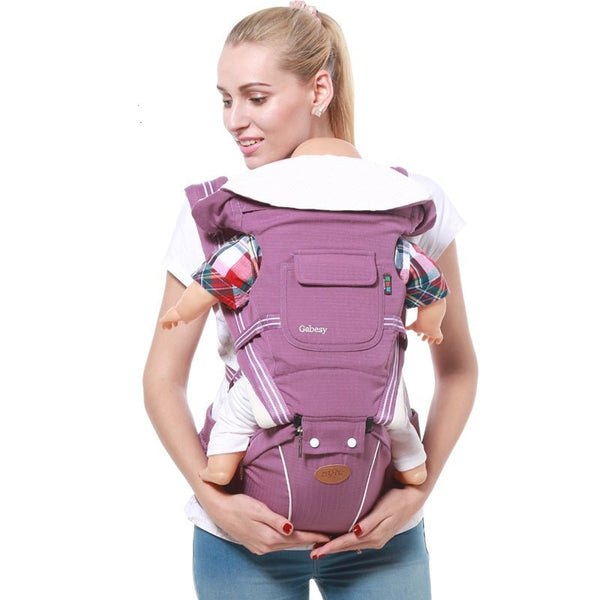
Portabebés ergonómico
(87)
$59.89 $89.99 Ahorra 33%
Agotado
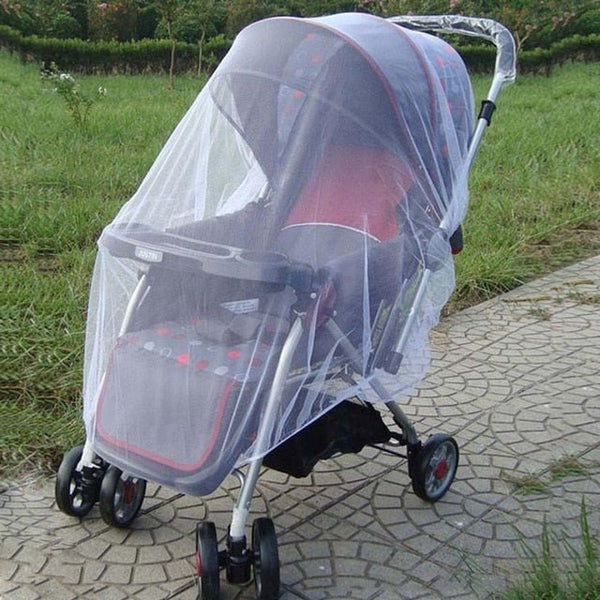
Mosquitera para cochecito de bebé
$7.49
Agotado−45%
Portabebés Bebear 9 en 1 con asiento de cadera
$45.99 $82.99 Ahorra 45%

Página 1 de 2

Cómo usar [Colección]

Hip-Healthy Carrying Positions

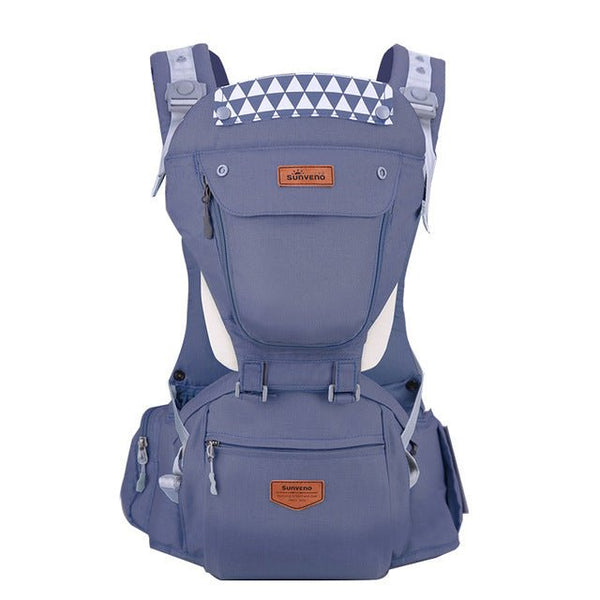
Ergonomic and hip seat carriers support baby's legs in the recommended M-shaped, spread-squat position rather than letting legs dangle.

One Stroller, Every Season

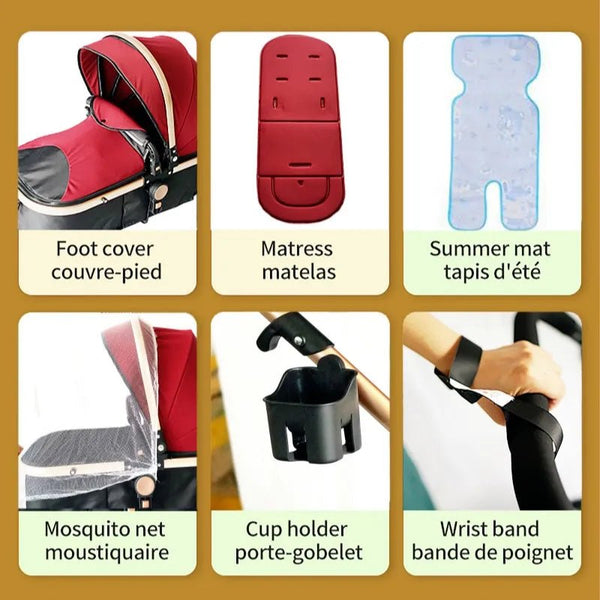
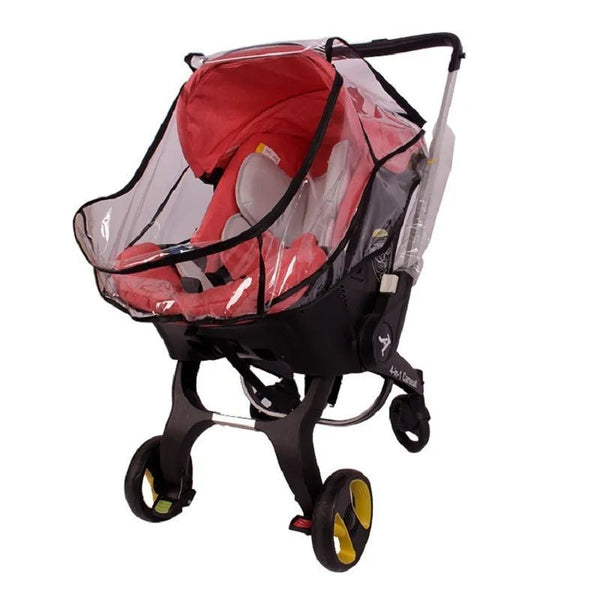
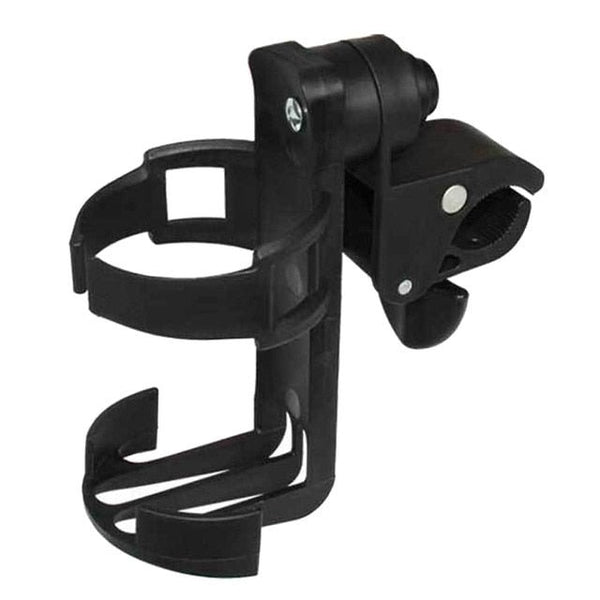
Rain covers, mosquito nets, and windproof footmuffs adapt the same stroller to rain, bugs, and winter cold instead of sitting unused half the year.

Free Hands When You Need Them

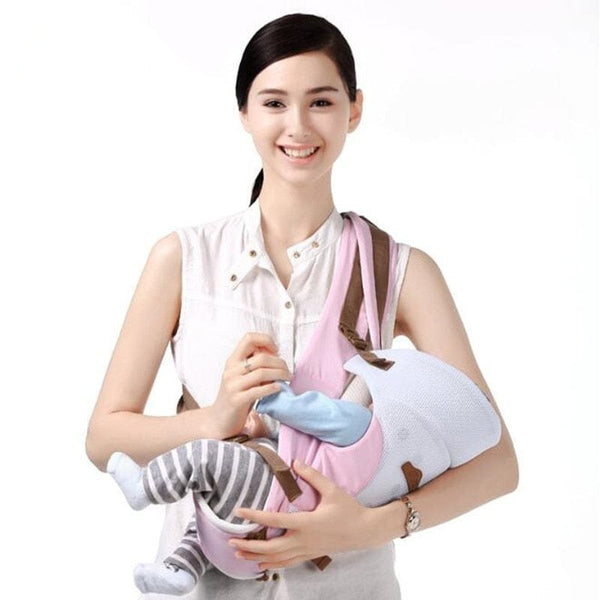
A soft-structured or hip seat carrier keeps baby close while freeing both hands for stairs, groceries, or an older sibling.

Long-Term Value

Multi-position carriers and stroller accessories are designed to keep working as your baby grows, not just for the newborn months.
Shop the full stroller collection

Preguntas frecuentes

What's the difference between an ergonomic carrier and a hip seat carrier?

An ergonomic soft-structured carrier uses padded shoulder and waist straps to fully support baby's weight against your body, spreading the load evenly. A hip seat carrier adds a rigid seat platform at hip height that baby sits on, which takes some of the strain off your back and is often preferred once baby is heavier, closer to toddler age.

What does "hip-healthy" mean on a baby carrier?

It means the carrier positions baby's legs in an M-shape, thighs spread and knees slightly higher than the bottom, which supports natural hip joint development. Carriers that let legs hang straight down don't offer this support, so it's worth checking a carrier's seat width before buying, especially for younger babies.

At what age can my baby face forward in a carrier?

Most guidance suggests waiting until baby has solid head and neck control, generally around 5 to 6 months, before using a front-facing-out position. Our 4-in-1 carriers support multiple positions, so you can start front-facing-in for newborns and switch to front-facing-out once baby is ready and curious about looking around.

Do I need both a stroller and a carrier?

Many parents find they use both for different situations — a stroller for longer outings, shopping, or when baby is sleeping, and a carrier for stairs, crowded spaces, hiking, or moments when you need your hands free. Neither fully replaces the other, so the right mix depends on your daily routine.

Will a stroller rain cover or footmuff fit my specific stroller model?

Rain covers, mosquito nets, and footmuffs in this collection are designed to fit a wide range of standard stroller frames using adjustable elastic edges or zippers, but exact fit can vary between stroller brands. Check the dimensions listed on the product page against your stroller before ordering if you're unsure.