Shoes

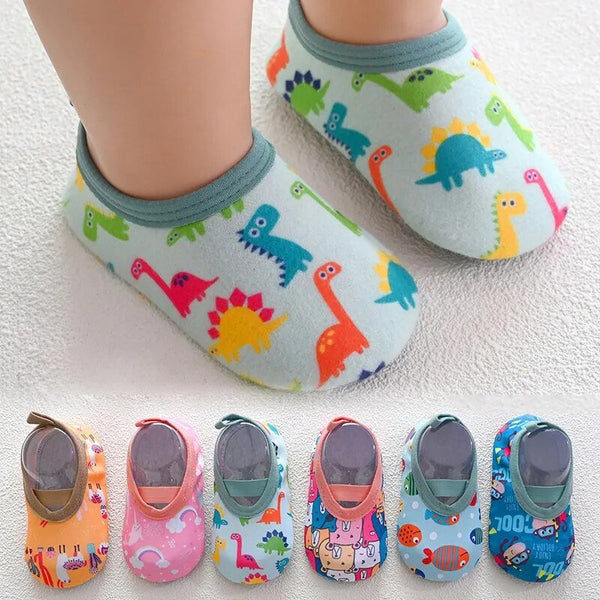
Soft soles for developing feet. Our Shoes collection covers baby and toddler footwear — from stretchy sock shoes and pre-walker booties to seasonal boots and sandals — built to flex naturally rather than restrict a baby's growing foot.

34 products

Baby Shoes

34 products

Page 1 of 3

Why Choose Our Shoes

This collection covers soft-sole footwear and grip socks for babies and young toddlers, mostly sized 0–24 months, plus a handful of sandals extending up to around age 6. The focus throughout is flexible, foot-friendly soles rather than the stiffer construction of adult-style sneakers.

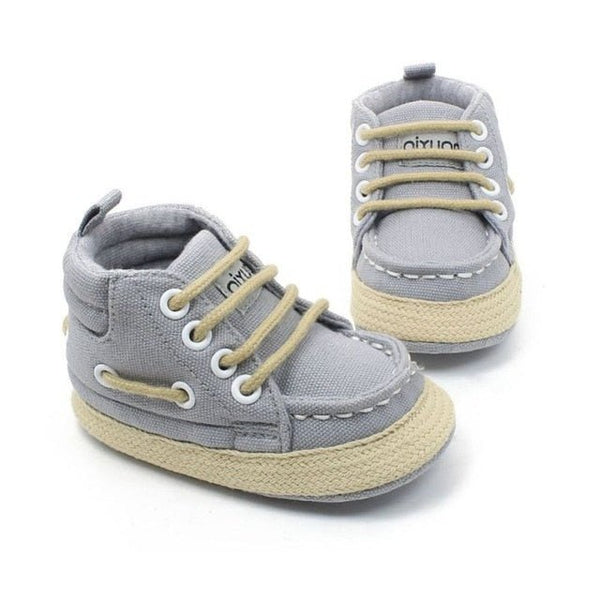
First-walker and pre-walker shoes

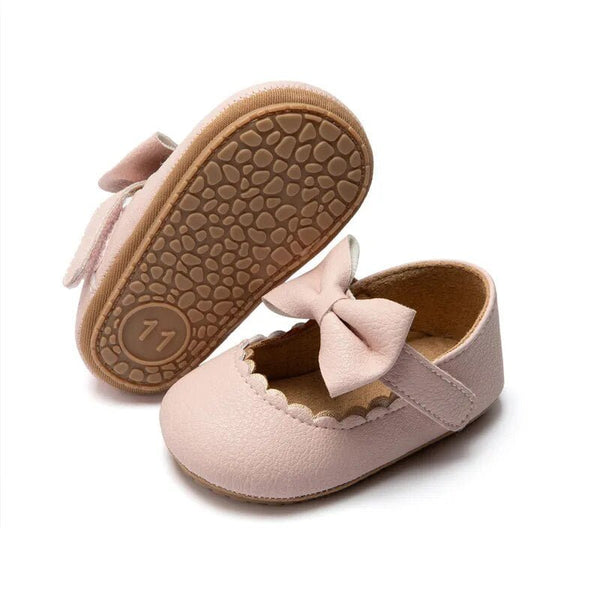
Soft-sole booties, Mary Janes, and moccasins use cork, rubber, or fabric soles that flex with a baby's foot rather than restricting movement. Many pediatric guidelines actually favor barefoot or soft-soled footwear indoors during this stage, since it helps babies feel the ground and build natural foot muscles and balance — shoes here are mainly useful for outdoor protection, temperature, or style rather than being required for development.

Sock shoes and easy on-off styles

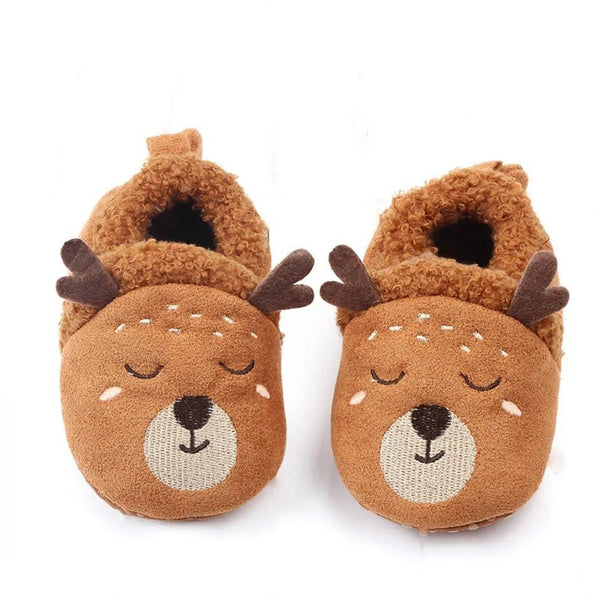
Sock shoes combine a stretchy fabric upper with a thin non-slip sole, making them quick to pull on and off without a squirming baby fighting laces or buckles. These work well as an everyday default for parents who change shoes multiple times a day.

Seasonal boots and sandals

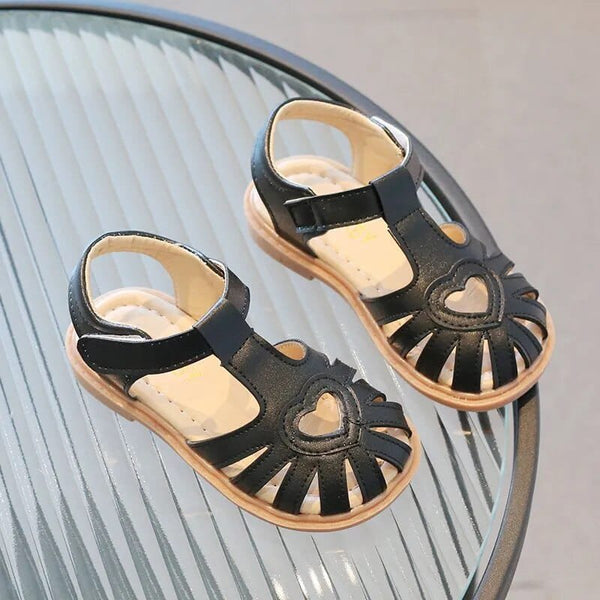
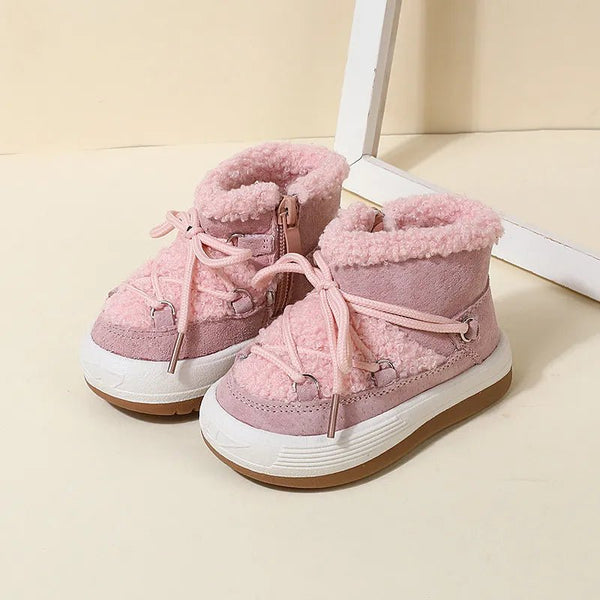
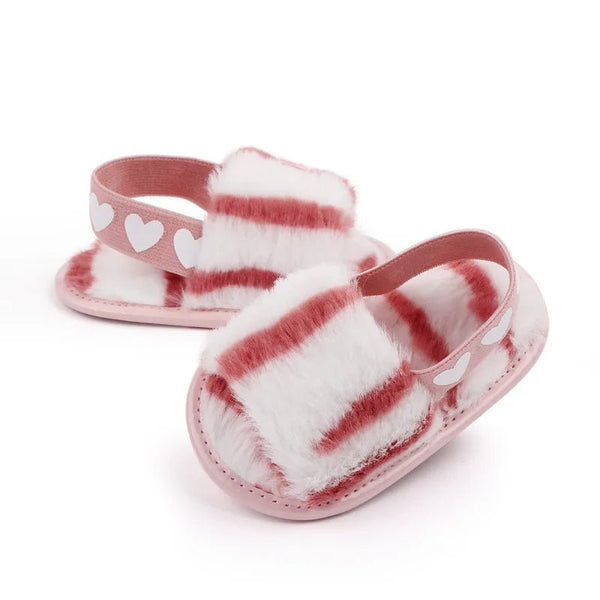
Plush-lined and faux fur winter boots suit short cold-weather outings like a walk to the car, though they're not built as heavy-duty snow gear for extended cold exposure. Breathable summer sandals and gladiator-style beach shoes cover the warmer months, generally sized for slightly older toddlers up to around age 6.

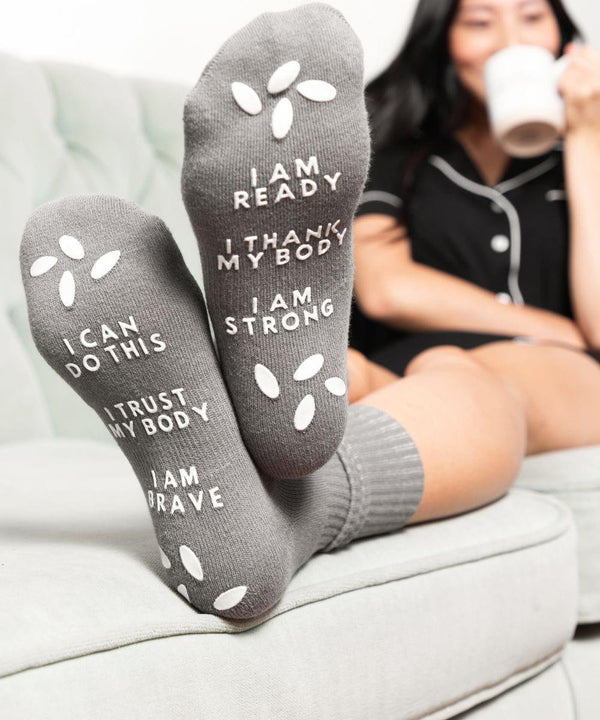
Non-slip socks

Grip-sole cotton socks offer indoor traction on smooth flooring while letting a baby's foot move and flex naturally, which many parents prefer over shoes for practicing steps at home.

Choosing the right size

Sizing is typically listed by age range or insole length in centimeters, and varies between styles. Because babies' feet grow quickly, it's often worth sizing up slightly if your baby is between sizes.
How to Use Shoes

Soft Soles for Developing Feet

Cork, rubber, and cotton soft soles flex naturally with a baby's foot instead of restricting movement like stiffer adult-style shoes.

Built for the Season

Plush-lined winter boots and breathable summer sandals mean bare feet or overheated feet aren't the only options year-round.

Grip Where It Counts

Anti-slip soles on shoes and floor socks alike help unsteady early walkers keep their footing on smooth surfaces.

Easy On, Easy Off

Stretchy sock-shoe hybrids and simple slip-on styles are designed for quick changes without a squirming baby fighting laces or buckles.
Shop baby walker gear

Frequently asked questions

Does a baby need shoes before they start walking?

Not really — many pediatric guidelines favor barefoot or soft-soled footwear indoors, since it helps babies feel the ground and build foot muscles and balance. Shoes in this collection are mainly useful for outdoor protection, temperature, or style rather than being required for indoor development.

What's the difference between a sock shoe and a regular soft-sole shoe?

A sock shoe combines a stretchy fabric upper (like a sock) with a thin non-slip sole, making it easy to pull on and off quickly. A soft-sole shoe has a more structured upper, closer to a traditional shoe shape, but still uses a flexible sole that bends with the foot.

How do I know what shoe size to order for a baby who's still growing?

Check the specific size chart on each product page, since sizing (often listed by age range or insole length in centimeters) can vary between styles. Because babies' feet grow quickly, it's often worth sizing up slightly if your baby is between sizes.

Are the winter boots warm enough for cold climates?

Our plush-lined and faux fur winter boots are designed for cold-weather comfort during short outdoor stretches like a walk to the car, but they're not rated as heavy-duty snow gear for extended time in extreme cold. Check the specific product page for lining and material details.

Are non-slip socks a substitute for shoes indoors?

Yes — grip-sole cotton socks offer traction on smooth indoor flooring while still letting a baby's foot move and flex naturally, which many parents prefer over shoes for indoor walking practice.